Keep rent covered while you learn the shop
To run profitable shop days in Probably Stolen, reserve cash for rent and essential services before restocking, then buy goods you can inspect and resell reliably. Open the shutter, ring the customer bell, inspect each offer, and finish your trades before closing and planning the night.
Choose a manageable start and spending limit
The demo's Water Merchant scenario provides a water testing and purification kit from the start. Choose it if you want to learn that product line with its equipment already available. Save Rock Bottom for a later run, since its hardcore start gives you nothing.
Check the obligations attached to your starting perks. Savings adds 150 Credits, while Bad Lease increases starting rent by 40 Credits. Gambling Addiction automatically buys lottery tickets when possible, including scratch tickets, so avoid it while learning to control your spending.
Set your stock budget from the credits left after the next rent payment and essential services. Unsold merchandise cannot cover an immediate bill, even when its estimated value looks attractive. Rent rises over time, and falling behind reduces shop attractiveness and customer traffic, making recovery harder.
Run the shop day in this order
- Arrange paid-for stock in the display case for the trade you want. The case influences which buyers and suppliers appear, so build the display around merchandise you can sell or process.
- Open the shutter once your stock is arranged. This begins the shop's trading day and puts you in position to serve customers.
- Ring the customer bell to call the next visitor. Their request tells you whether you are buying merchandise, selling stock, or handling another kind of visit.
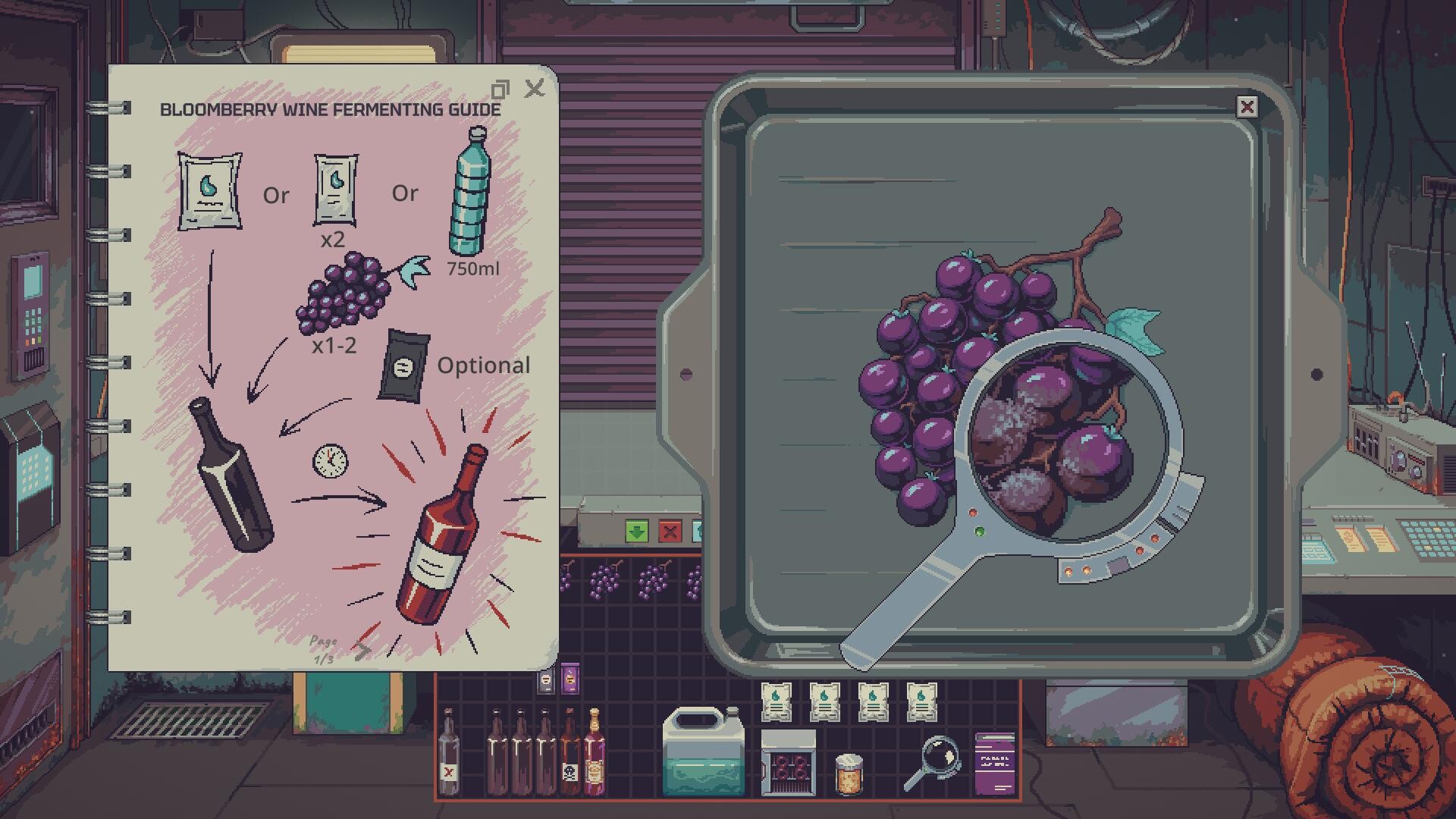
- Inspect incoming merchandise before paying. Use the magnifying glass to check condition, seals and lettering, and assess the item rather than accepting the seller's valuation. Water needs testing and filtering, while cigarette packs need visual inspection.
- Negotiate the selected purchase or sale through the negotiation interface. Check the bargain panel's reputation multiplier for that trade direction, then accept only a deal that leaves your reserve intact.
- Dismiss a visitor only after their business is finished. Each day has limited customer opportunities, so confirm the current request and intended action before ending the interaction.
- Close the shutter when you have finished trading. You can then move into the end-of-day routine, choosing how to use the night before sleeping advances the shop to the next day.
Plan the night without spending the rent
Keep the rent reserve intact when choosing insurance, materials or a machine. A purchase that depends on tomorrow's perfect sale is a poor fit for your first shop days. Begin with stock you can assess reliably, and expand after you can cover the next bill comfortably.
Review the overnight insurance cost before sleeping. In the earlier playtest, insurance protected overnight goods and built Joe Wild favour toward upgrades; its cost scaled with inventory value, including machines. Weigh that protection against the stock exposed while preserving money for rent and essential services.Playing this video connects to YouTube.
- Choose a scavenging trip when you need materials. Searches are limited and injuries are possible, so judge the trip by what your shop needs rather than treating every search as free stock.
- Bring your flashlight on a dumping-grounds trip. Its scavenging bonus does not apply when it is left at the shop, and the demo shows the flashlight bonus in wound chances on arrival.
- Load your production machines before sleeping. Most finish work overnight and need power, so check their Energy Cells and the nightly Power Service when preparing them. An unpaid power bill cuts the supply.
- Sleep after checking the night's costs and preparations. Sleeping advances production, bills and incidents alongside the next trading day. Review the nightly report afterward; the demo keeps nightly logs and reports when you reload a save.
Avoid stock, display and customer mistakes
Keep outside offers and customer-owned goods separate from your paid-for stock. An item within reach does not automatically belong to you: the demo only lets you equip owned items and blocks putting your goods inside unowned containers. Open and preview containers or machines before buying them to assess the purchase first.
Read the panel to the left of the display before opening. In the earlier playtest, displayed goods and the appraisal board could not attract their intended visitors when expected customer slots were zero. Dirty premises and vandalism also reduced expected customers, so check that situation before buying more display stock.Playing this video connects to YouTube.
Keep the tutorial's display restriction in mind. An earlier playtest patch disabled the display case on the first day while the tutorial was enabled to preserve its sequence. Follow the introductory shop instructions instead of planning that tutorial day around display-generated trade.
Use customer shortcuts deliberately. The demo includes settings for instant dismissal, dismissal followed by calling the next customer, and instantly calling Security. Read the current visitor's request and inspect the intended item before using those actions, especially while learning the counter.
Keep contraband out of an early display unless you are prepared for the inspection risk. The playtest patch removed Security reputation rewards for passing inspections triggered by displayed contraband. Hiding it afterward therefore does not provide a repeatable reputation reward.
Keep the demo plan separate from launch features
Plan your demo income around trading and the production equipment you already have. Store ownership and overnight Vending Machines are announced additions for the full release on October 28, 2026, alongside four difficulty options after choosing a scenario. Keep those future systems out of your immediate rent budget, and build a shop routine that pays through the activities available now.